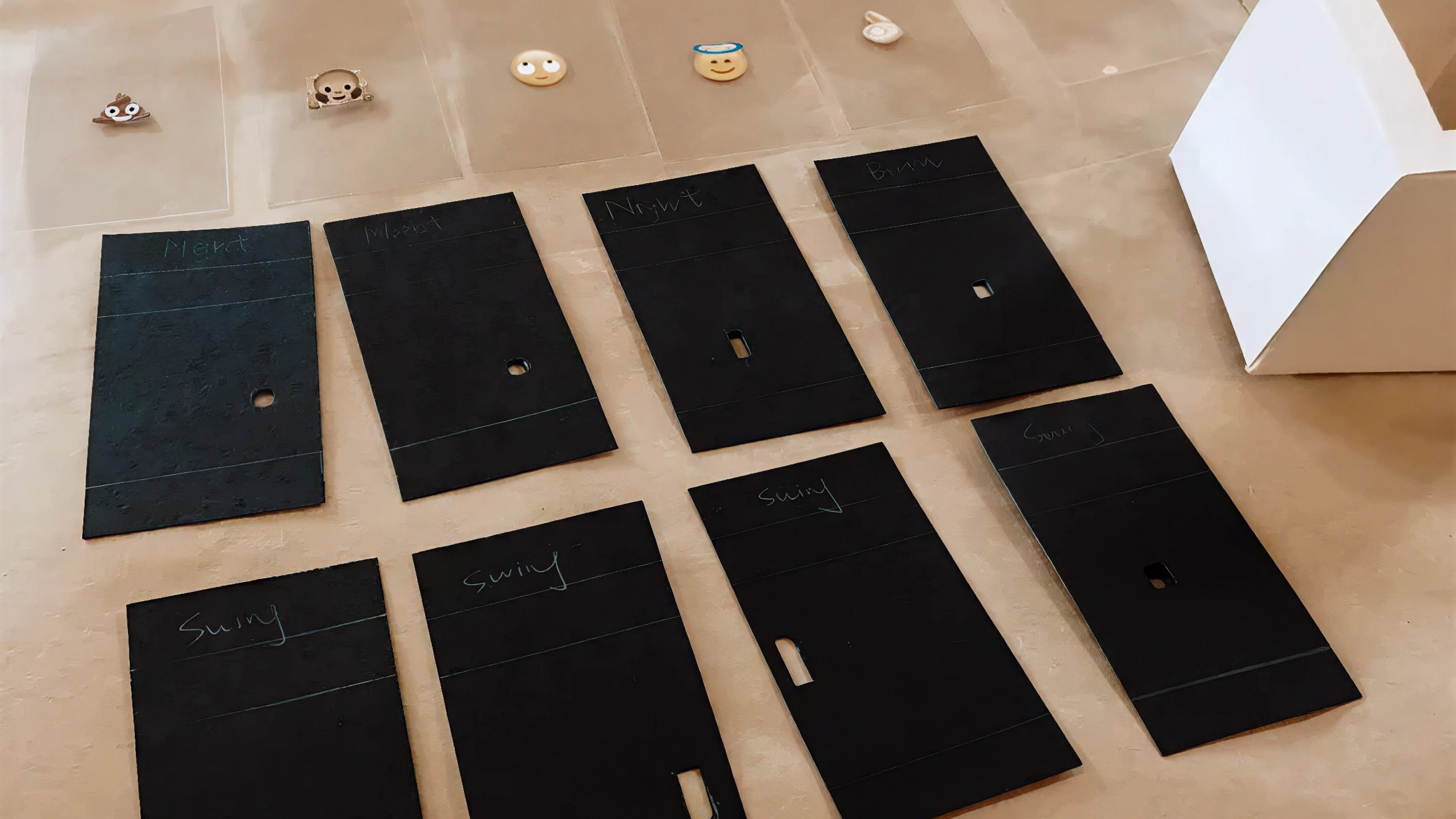
This project reimagines how people engage with museum artworks.
Instead of passively viewing paintings from a distance, visitors are invited to observe, question, and discover — using a small interactive viewing kit that reveals details through physical manipulation.
The kit consists of a paper cube with a peephole, paired with a set of insertable black cards labeled with keywords such as “Night”, “Swing”, or “Brain.” Each card corresponds to a specific perspective, lighting, or emotion found within a painting. By inserting a card and peering into the box, users uncover new layers of meaning — encouraging slow looking, curiosity, and emotional resonance.
Museums are spaces of knowledge and memory — places that help people access history through experience.
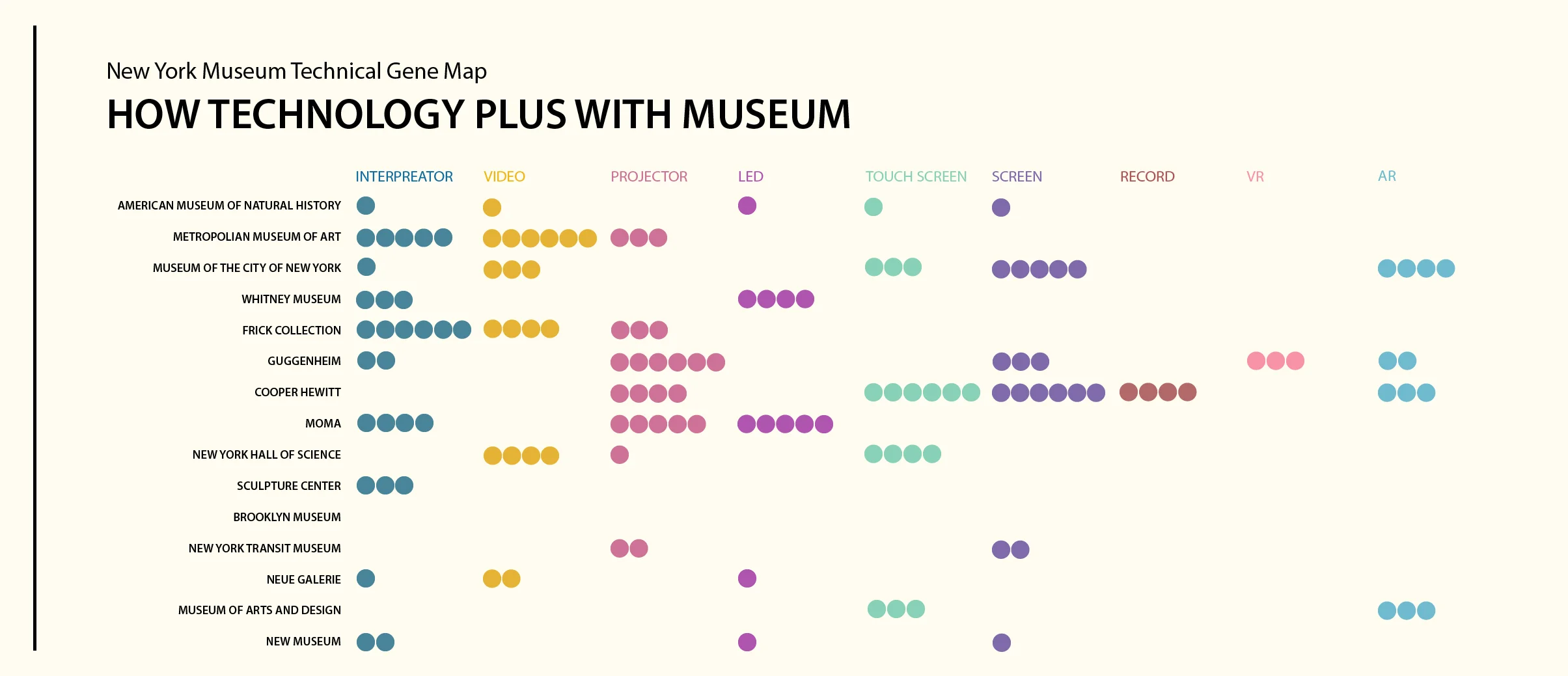
However, modern visitors face three common issues:
The challenge is to balance tradition and technology, creating tools that enhance rather than overshadow the original works.
Research into visitor motivations and takeaways revealed that memorable experiences often share four traits:
The Museum Kit responds to these findings by providing personalized, tangible engagement — a quiet, focused exploration where each inserted card changes what the user perceives.

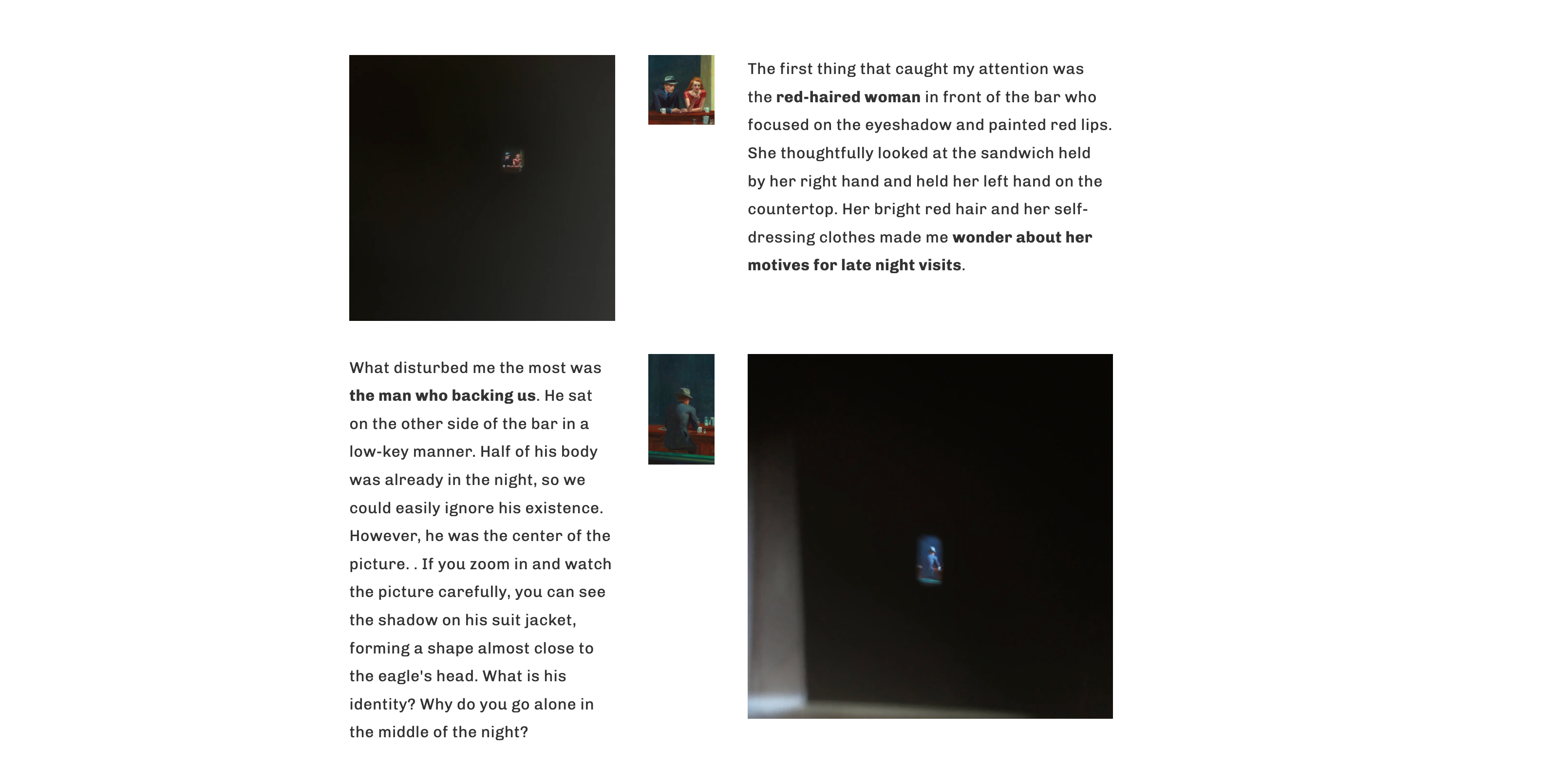
Example 1 – Edward Hopper, Nighthawks (1942) The scene depicts a diner glowing in the quiet city night. Through the “Night” card, the viewer’s gaze narrows to a red-haired woman at the bar — her bright hair and reflective pose invite speculation about loneliness and desire. Another card highlights a shadowed man whose suit folds form an eagle-like silhouette — subtle details that shift the story from isolation to mystery.
Example 2 – Jan Steen, Celebrating the Birth

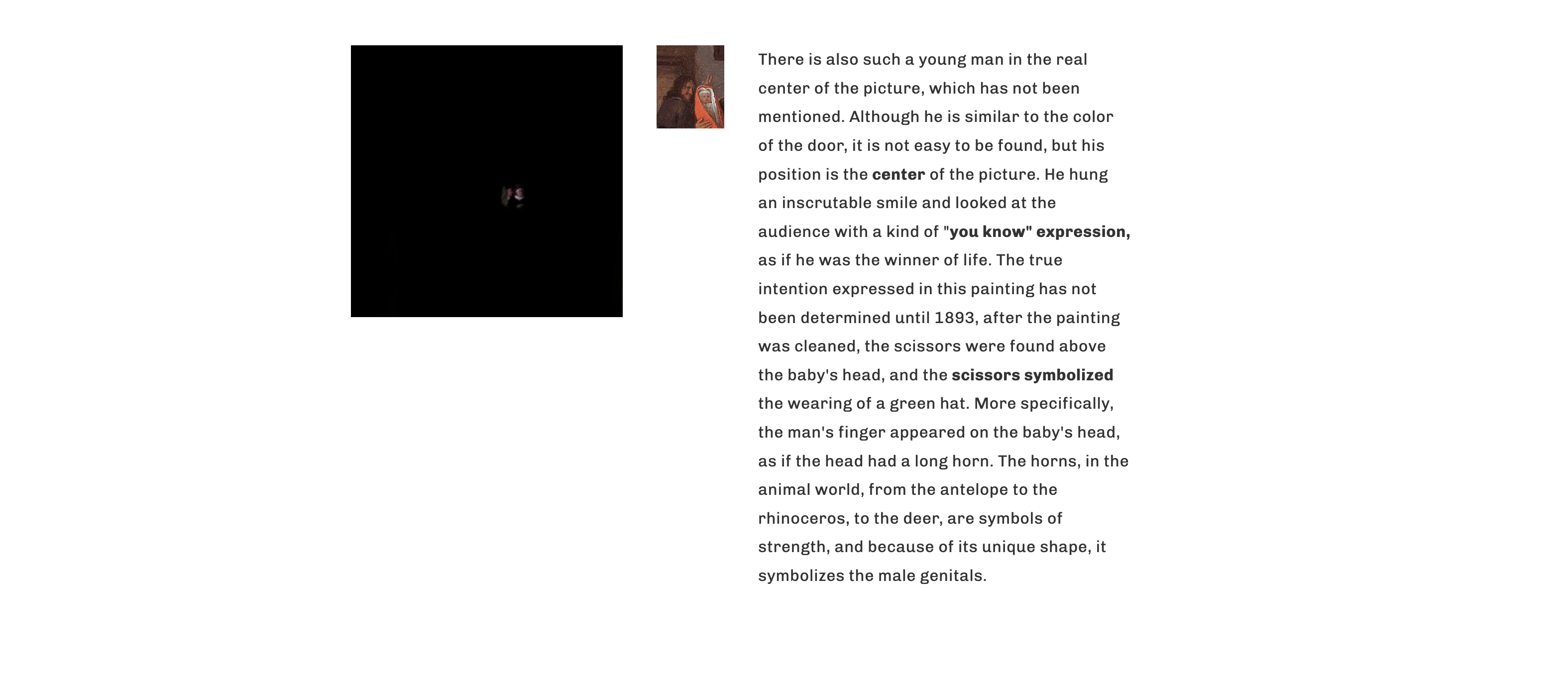
At first glance, the painting shows joyous family celebration. Yet through the “Swing” or “Brain” cards, the viewer notices hidden gestures — a man’s knowing smile, a pair of scissors above a baby’s head, and symbolic “horns” hinting at betrayal and irony. The kit transforms the viewing from simple observation to investigative storytelling.
The Museum Kit transforms art appreciation into a hands-on act of interpretation. By merging physical craft, sensory focus, and storytelling, it helps visitors form deeper emotional and cognitive connections with art — reminding us that museums are not just places to look, but places to see differently.